Swiss Digital Platforms and Their Real-Time Reward Calculation Protocols Under Cantonal Oversight
Carlo Otto · Oct 28, 2026

Swiss Digital Platforms and Their Real-Time Reward Calculation Protocols Under Cantonal Oversight
Swiss digital platforms operate within a regulatory framework where cantonal authorities maintain direct oversight of reward calculation systems, and these protocols process player activity through algorithms that update balances instantaneously while adhering to strict verification standards set at the regional level.
Framework of Cantonal Oversight
Cantons enforce compliance through periodic audits and real-time data access requirements, so platforms must integrate reporting modules that transmit calculation outputs to oversight bodies without delay, and this structure stems from the division of responsibilities under federal gambling legislation that assigns operational supervision to individual cantons.
Platforms in Zurich and Geneva have deployed systems that log every reward computation step, which allows cantonal regulators to review sequences for accuracy and adherence to payout limits during live operations, while data from October 2026 indicates increased synchronization between platform servers and cantonal monitoring dashboards.
Mechanics of Real-Time Reward Protocols
Real-time reward calculation begins when a player completes a qualifying action, at which point the platform's engine applies predefined formulas that factor in stake amounts, game parameters, and regulatory caps before crediting results to user accounts, and these computations occur within milliseconds to maintain seamless user experiences across mobile and desktop interfaces.
Encryption layers protect the data streams that carry these calculations, ensuring that intermediate values remain secure until final verification occurs, whereas protocols often incorporate checksum validations that flag discrepancies for immediate cantonal review.
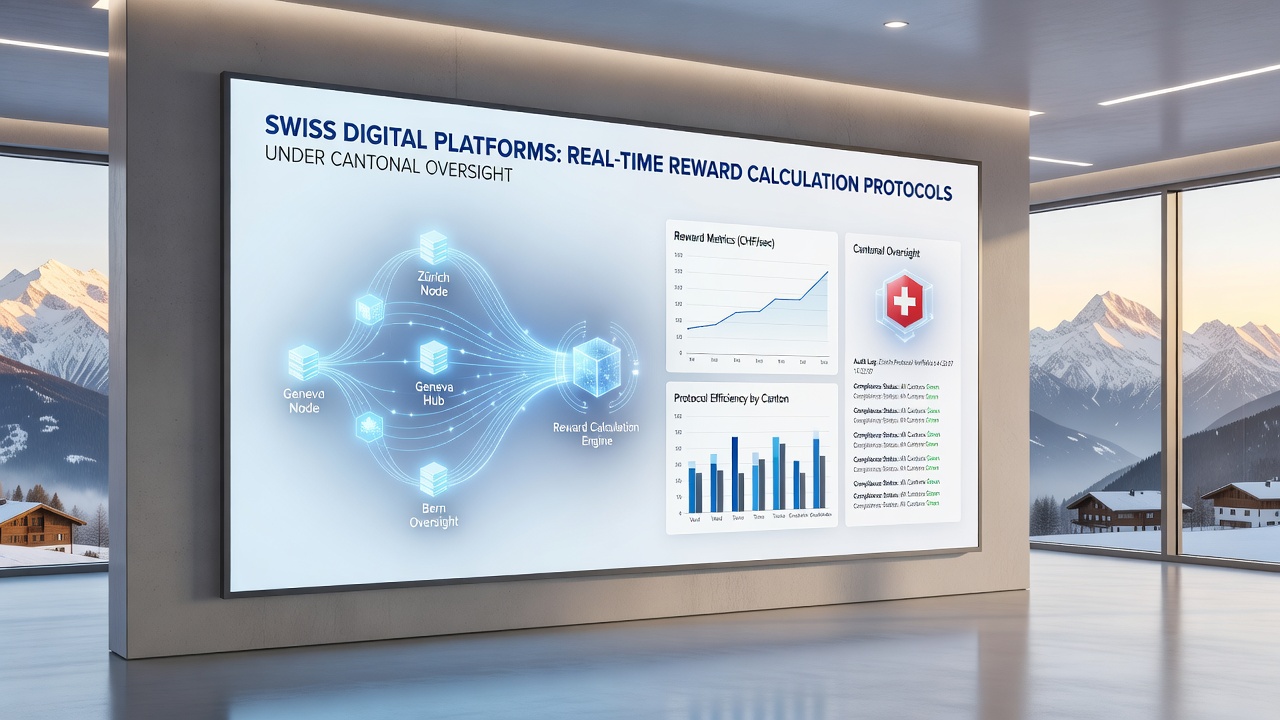
Engineers at several platforms have incorporated machine learning components that adjust reward parameters based on historical transaction patterns, yet all adjustments require pre-approval from the relevant canton to prevent unauthorized modifications, and this approach keeps the core logic aligned with regional fairness standards.
Integration with Platform Infrastructure
Digital platforms connect their reward engines to centralized databases that store cantonal rulesets, allowing dynamic updates when regulations change without requiring full system restarts, and this modularity supports rapid adaptation across multiple cantons that maintain distinct oversight requirements.
Testing environments replicate live conditions so developers can validate new protocol versions against cantonal criteria before deployment, whereas production systems maintain audit trails that record every input variable used in reward determinations.
According to information from the Swiss Federal Office of Justice, these integrated systems have reduced processing discrepancies by measurable margins in recent reporting periods, while research from the University of Melbourne on distributed ledger applications in gaming highlights similar verification techniques used in other jurisdictions for cross-border comparisons.
Data Handling and Compliance Measures
Platforms transmit anonymized datasets to cantonal servers at fixed intervals, enabling regulators to analyze reward distribution trends without accessing individual player identities, and this method balances transparency demands with privacy protections mandated under Swiss data laws.
Alerts generated by the protocols notify both platform operators and cantonal officials when reward calculations approach predefined thresholds, which triggers additional scrutiny before further transactions proceed, and such mechanisms have become standard across licensed operators since the expansion of digital services in prior years.
Conclusion
Swiss digital platforms continue to refine their real-time reward calculation protocols in response to evolving cantonal oversight requirements, with the result that these systems deliver verified outcomes while supporting regulatory access to operational data, and ongoing developments through October 2026 reflect sustained coordination between technology providers and regional authorities to maintain consistent standards across the sector.